May 21, 2026
Adding a spa to a backyard pool is no longer a niche upgrade reserved for luxury estates. It has become a practical and highly requested feature among homeowners who want more versatility from their outdoor space. A well-planned spa installation can extend seasonal use, enhance comfort, and create a more cohesive backyard environment when paired with an existing or new pool.
In many regions, demand for integrated outdoor water features continues to grow. According to ZipDo, approximately 40% of newly built pools now include integrated spa elements, reflecting a broader shift toward multifunctional backyard living spaces. This trend highlights how important it has become to approach spa installation as part of a unified design rather than an afterthought.
The following article explores three essential questions to ask your pool company before beginning a spa installation project, along with the practical reasoning behind each one.
1. How Will the Spa Integrate With My Existing or Planned Pool Design?
Understanding Structural and Aesthetic Alignment
One of the first and most important considerations in any spa installation is how it will visually and structurally connect to the pool. A well-integrated design ensures that water flow, elevation, materials, and access points all feel intentional rather than added later.
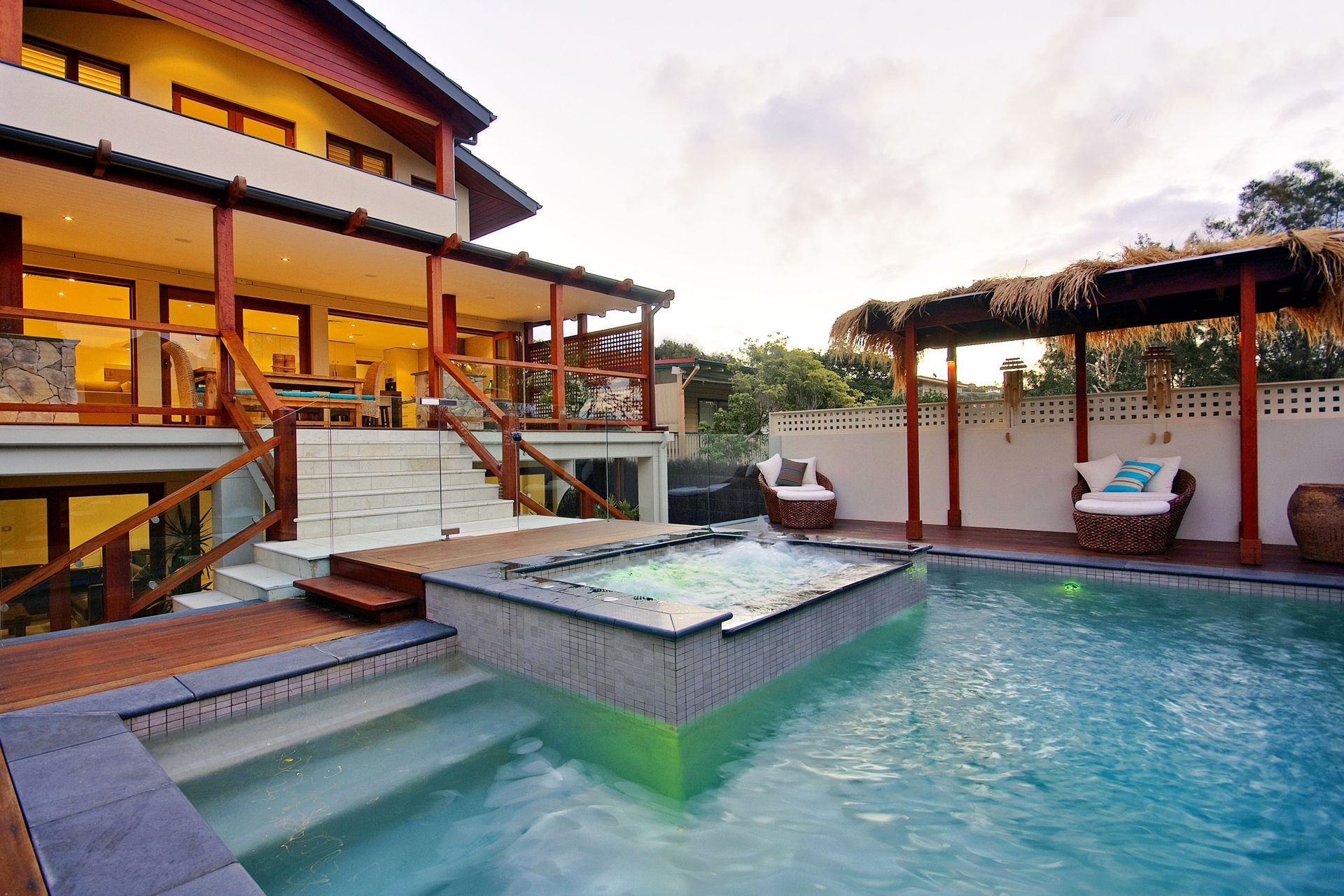
A skilled pool company will evaluate how the spa interacts with the pool's shape, decking, and surrounding landscape. This includes determining whether the spa should be built as a raised structure, a flush extension, or a completely separate feature connected by spillways or shared circulation systems.
Design alignment also affects long-term usability. If the spa feels disconnected from the pool, it can reduce overall enjoyment and create inefficiencies in circulation or heating systems. Proper planning ensures both elements function as a single, cohesive environment.
Matching Functionality With Lifestyle Needs
Beyond appearance, the integration of a spa should reflect how the space will actually be used. Some homeowners prioritize relaxation and hydrotherapy, while others want a social gathering area that accommodates multiple people comfortably.
A reputable pool service will ask detailed questions about seating capacity, temperature preferences, and usage frequency. These factors influence everything from jet placement to depth and shape. A spa designed for therapeutic use will differ significantly from one intended for entertainment.
In many cases, lifestyle considerations also determine whether the spa should be attached directly to the pool or positioned as a semi-independent structure. Each approach offers different advantages in terms of convenience, maintenance, and energy efficiency.
Planning for Long-Term Cohesion
Long-term cohesion is often overlooked during early planning stages. Materials that match at installation may age differently over time, and water features can settle or shift slightly depending on soil conditions and usage patterns.
An experienced pool company will anticipate these factors and recommend materials and construction methods that maintain visual and structural consistency over time. This may include selecting finishes that weather at similar rates or reinforcing connection points between the pool and spa.
Careful planning at this stage reduces the likelihood of future modifications or repairs that disrupt the original design intent.
2. What Does the Installation Process Involve From Start to Finish?
Permits, Preparation, and Site Evaluation
Understanding the full installation process is critical before any construction begins. Spa installation involves more than placing a structure in the backyard; it requires excavation, plumbing, electrical work, and compliance with local building codes.
A qualified pool service typically begins with a detailed site evaluation. This includes assessing soil conditions, drainage patterns, and available space for equipment and access. These factors directly influence design feasibility and installation timelines.
Permitting is another essential component. Depending on local regulations, homeowners may need approvals for structural changes, electrical connections, or water circulation systems. A professional team will manage these requirements to ensure compliance and prevent delays.
Construction Sequencing and Coordination
Once approvals are in place, the installation process follows a structured sequence. Excavation and foundational work typically come first, followed by plumbing and electrical installation. After structural components are completed, finishing materials and water systems are integrated.
A reliable pool company coordinates each phase to minimize disruption and ensure consistency across all components. Timing is especially important when integrating a spa with an existing pool, as systems must be synchronized to operate efficiently.
At this stage, communication becomes essential. Homeowners should understand when each phase will occur, how long it will take, and what disruptions to expect. Clear expectations help avoid confusion and ensure the project remains on schedule.
Quality Control and Final System Testing
The final phase of installation involves system testing and quality control. This includes checking water circulation, verifying heating performance, and ensuring that jets and filtration systems operate correctly.
A reputable pool service will also conduct water testing to confirm balanced chemical levels and safe operation. This step is especially important for spas, where smaller water volumes can respond more quickly to chemical changes.
Final walkthroughs allow homeowners to understand how the system operates, how to maintain it, and what to expect during seasonal changes. This ensures a smooth transition from construction to everyday use.
3. How Will the Spa Affect Long-Term Maintenance and Overall Value?
Maintenance Requirements and Ongoing Care
Ongoing maintenance is one of the most important topics to discuss before installation. Spas require regular attention to water chemistry, filtration systems, and mechanical components to remain in optimal condition.
A knowledgeable pool company will outline a maintenance schedule that fits the specific system being installed. This includes guidance on water testing frequency, filter cleaning, and seasonal adjustments. Many homeowners underestimate how quickly spa water conditions can change compared to larger pools.
Proper maintenance not only preserves water quality but also extends the lifespan of equipment. Neglecting routine care can lead to costly repairs or reduced system performance over time.
Energy Efficiency and Operational Costs
Energy use is another key consideration. Spas require heating systems that operate more frequently than pools, which can impact utility costs depending on usage habits and climate conditions.
A well-designed system will balance comfort with efficiency. This may involve insulation choices, circulation design, and equipment sizing that match the intended use of the spa. An experienced pool company can help identify configurations that minimize unnecessary energy consumption without sacrificing performance.
Homeowners should also consider how often the spa will be used and during which seasons. Usage patterns play a significant role in determining overall operational costs.
Property Value and Lifestyle Return
Beyond maintenance and cost, spa installation often contributes to broader property value and lifestyle benefits. Outdoor living spaces have become increasingly important to homeowners seeking comfort and versatility in their residential environments.
A professionally designed spa can enhance visual appeal, improve usability, and create a focal point that elevates the entire backyard layout. In many cases, buyers view integrated water features as desirable additions that differentiate a property from others on the market.
Working with a skilled pool company ensures that the installation is not only functional but also aligned with long-term value expectations. Thoughtful design choices made during planning can influence how the space is perceived for years to come.
Asking the right questions before beginning the project helps clarify expectations and reduces the risk of complications later. From design integration to installation sequencing and long-term care, each stage plays a critical role in the outcome.
An experienced pool company brings structure and expertise to each of these steps, helping homeowners navigate technical decisions with confidence while ensuring the finished result aligns with both functional needs and lifestyle goals. If you're interested in a spa installation for your outdoor space, reach out to Doug's Pool and Spa!