October 22, 2026
In the journey of selecting the perfect swimming pool for your home, numerous factors come into play. The two most popular choices, concrete and fiberglass pools, offer distinct advantages and challenges. This article will explore the key differences, helping you make an informed decision that suits your lifestyle and preferences. Whether you prioritize aesthetic appeal, durability, or cost-effectiveness, understanding these distinctions is crucial. According to PoolDial, there are roughly 8.8 million residential swimming pools in the United States, indicating the widespread appeal and value enhancement pools bring to homes.
Understanding Concrete Pools
Construction Process and Timeline
Concrete pools are known for their robust construction process, which involves several meticulous steps. Initially, the pool area is excavated and forms are set in place to shape the structure. This is followed by the installation of steel reinforcing rods within the framework, ensuring durability. Once the reinforcement is secured, concrete is poured or applied, often by spraying to cover large areas quickly. Due to its labor-intensive nature, the construction timeline for a concrete pool can range from three to six months, depending on its complexity.
The timeframe for constructing a concrete pool often deters potential buyers due to the lengthy process. However, this duration allows for extensive customization—a characteristic highly valued by homeowners. Throughout construction, adjustments can be made, offering the flexibility to incorporate features such as waterfalls, tanning ledges, or beach entries. This adaptability cannot be matched by prefabricated fiberglass pools. The meticulous attention to detail and skilled craftsmanship involved result in a durable, tailor-made pool structure that withstands the test of time.
Despite the extensive construction duration, the time invested can be seen as a worthwhile commitment. Concrete pools represent a long-term investment in a property, often increasing the home's overall market value. Homeowners seeking unique and personalized outdoor spaces find concrete pools especially appealing. Being patient during the building process rewards with a one-of-a-kind pool that meets every personal and aesthetic expectation. This choice aligns well with those who value custom designs and are willing to endure a longer wait for unparalleled results.
Design Flexibility and Customization Options
The unrivaled flexibility in design and customization sets concrete pools apart from alternative types. Every aspect of a concrete pool can be personalized, from size and shape to additional features like spas or swim-up bars. This is largely due to the malleable nature of concrete, which adapts to any desired form or architectural style. Architects and pool designers can collaborate to create innovative structures that marry functionality with beauty. This makes concrete pools a top choice for homeowners with precise vision and specific design aspirations.
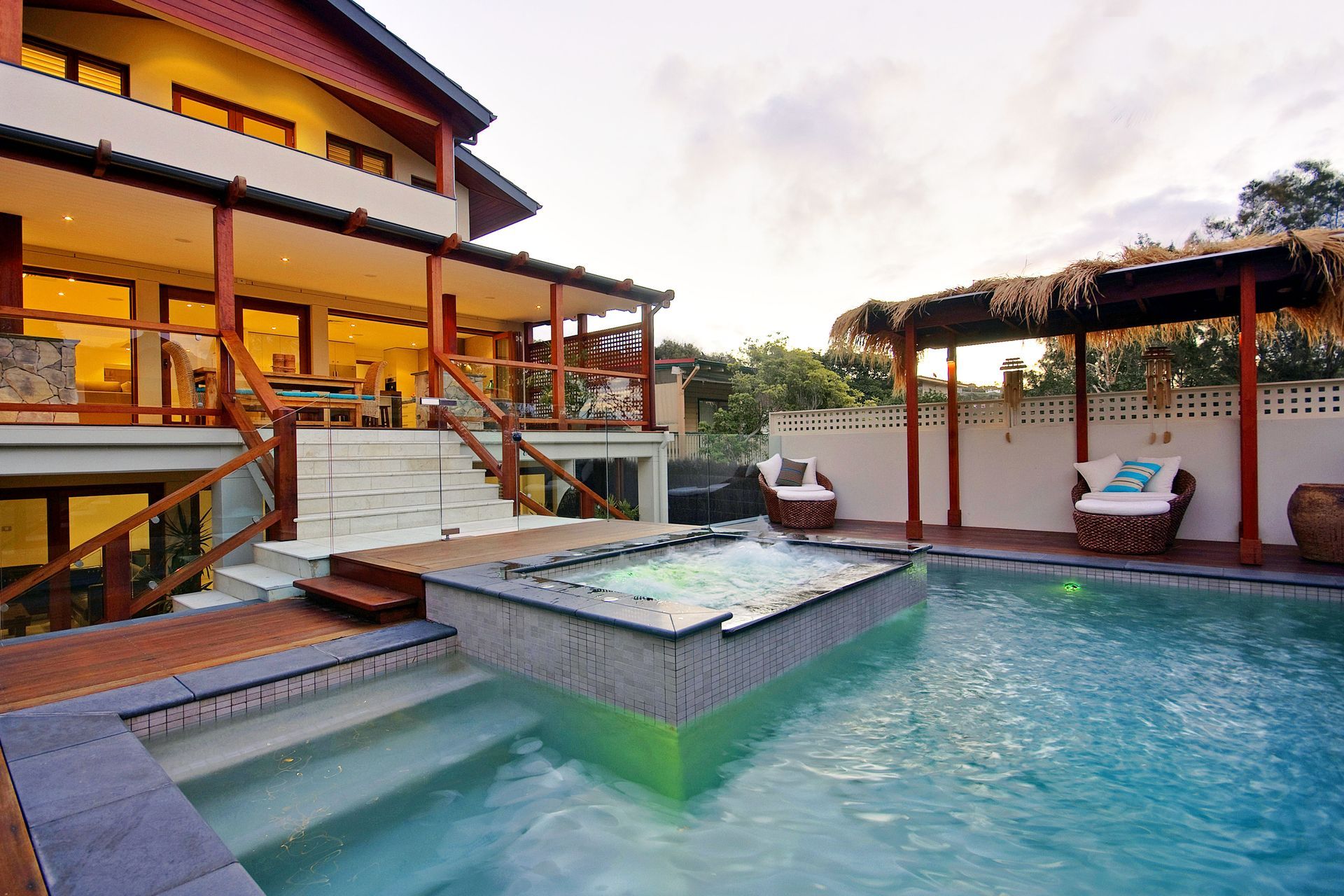
Concrete pools cater to creative and imaginative aspirations, serving as the canvas for unique water features and intricate designs. Whether integrating a mosaic tile masterpiece, natural rock formations, or complex lighting schemes, the possibilities are boundless. Unlike fiberglass pools, which are restricted by mold and shape limitations, concrete allows for a completely personalized retreat in one's backyard. This degree of customization makes them suitable for homeowners eager to design a pool that complements their property's existing design or theme. Such artistic freedom appeals to those who view their home as a reflection of their personal style.
Moreover, in areas with unusual landscape characteristics or limited space, concrete pools can be adapted to fit irregularly shaped yards or challenging terrains. They're often the preferred choice in scenarios where site-specific customization is necessary, effectively utilizing every inch of available space. From an infinity pool overlooking a hillside to a geometric marvel in an urban abode, concrete accommodates all. This adaptability makes concrete pools an optimal solution for complex outdoor living environments requiring innovative design approaches. Consequently, homeowners often opt for concrete pools to implement one-of-a-kind designs unachievable with standard options.
Maintenance Requirements
Maintenance is a crucial consideration when evaluating concrete pools, as they demand regular attention to preserve their condition. The porous nature of concrete surfaces can foster algae growth if not properly maintained. Routine cleaning, including brushing the surfaces and adequate vacuuming, is necessary to prevent algae proliferation and ensure water clarity. Chemical balance is another critical aspect, as fluctuating pH levels can compromise the pool's structure and the comfort of swimmers. Knowledge and diligent execution of maintenance tasks are essential to prolong the pool's lifespan and aesthetic appeal.
Despite the perceived complexities, many homeowners find the maintenance of concrete pools manageable with proper planning and execution. Investing in automated systems, such as robotic cleaners or automatic chemical dispensers, can considerably ease the upkeep process. These technologies help manage routine cleaning and chemical balancing, reducing manual labor and allowing for more leisure time. Additionally, hiring professional pool service companies can provide ongoing maintenance, ensuring the pool remains in pristine condition. With strategic maintenance approaches, concrete pool ownership can be both enjoyable and rewarding.
The need for concrete pool resurfacing is an eventual consideration for owners, as wear over time can lead to aesthetic and structural concerns. Surfaces can become rough and prone to staining, necessitating a fresh application of plaster or aggregate finishes. While resurfacing can be a significant investment, it allows for updating the pool's appearance and integrating new design elements. Homeowners often use resurfacing as an opportunity to refresh the pool's color, texture, or incorporate additional functional features. Understanding maintenance intricacies ultimately empowers potential buyers to make informed decisions about pool investment and ownership satisfaction.
Longevity and Durability
Concrete pools are renowned for their longevity and durability, often lasting several decades with proper care. This attribute is chiefly due to the solid construction and robust materials used in their creation. Concrete's inherent strength makes it resistant to damage from natural forces and settling, offering enhanced stability over time. While minor repairs may be necessary, the structural integrity typically remains uncompromised. Longevity is an appealing feature for homeowners seeking a permanent outdoor installation that can be enjoyed for generations.
The durability of concrete pools significantly contributes to their reputation as a long-term investment, suitable for the fluctuating demands of a growing family. As lifestyles evolve and family activities change, the adaptability of concrete pools ensures their relevance in different life stages. Moreover, their ability to withstand environmental pressures, including extreme temperatures and soil movement, adds reassurance to buyers. Structural resilience, combined with routine maintenance, fortifies the pool against deterioration. This harmonizes with homeowners' expectations for hassle-free enjoyment and relaxation.
Concrete's robust character also plays a vital role in mitigating repair costs, as major structural issues are relatively rare. Minor defects, such as cracks or hollow spots, can be efficiently addressed without compromising the pool's overall stability. These repair options, though potentially costly, ensure the pool's integrity and prevent further deterioration. The historical popularity of concrete pools reflects confidence in their durability as a sound financial commitment. This enduring durability offers peace of mind for homeowners concerned about safeguarding their property's assets and value.
The initial investment required for a concrete pool is notable, often imposing a consideration for prospective buyers. Factors such as detailed customization, extensive construction labor, and material costs contribute to the higher upfront price. However, many homeowners view this investment as worthwhile due to the pool's longevity and impact on property value. The ability to tailor the pool according to specific preferences and seamlessly integrate it with the landscape justifies the cost for discerning buyers. Those prioritizing custom design are often willing to absorb the additional expenditure associated with constructing a concrete pool. Be sure to reach out to Doug's Pool And Spa today to learn more about our professional pool company!