September 22, 2026
Swim spas are becoming an increasingly popular addition to residential outdoor spaces because they combine recreation, exercise, and relaxation in one compact system. Homeowners who want an aquatic feature without dedicating a large portion of their property to a conventional swimming pool may find this option especially appealing. Experienced pool contractors can help homeowners evaluate available space, installation requirements, and design preferences before selecting a model. Understanding the benefits, features, costs, and maintenance considerations can make it easier to determine whether a swim spa is the right investment for a particular backyard.
Versatile Functionality: The Best of Both Worlds
Swim spas combine the relaxation associated with a hot tub with many of the exercise opportunities provided by a swimming pool. Depending on the model, users can relax in heated water, enjoy therapeutic jets, or swim against an adjustable current. This flexibility allows different members of a household to use the same feature for very different purposes, from unwinding after work to completing a challenging aquatic workout.
Another advantage is the potential for year-round use. Unlike traditional outdoor pools that may remain unused during colder months, many swim spas are designed to maintain comfortable water temperatures throughout the seasons. Proper insulation and covers can also help retain heat. Homeowners can discuss placement, climate considerations, and site preparation with pool contractors when determining how to make year-round use practical.
Space efficiency is equally important. A swim spa generally requires less room than a full-sized swimming pool, making it suitable for smaller yards and properties where outdoor space is limited. Its compact footprint can leave additional room for landscaping, seating, dining areas, and other backyard features.
Health and Wellness Benefits
Swim spas provide opportunities for low-impact physical activity. Water buoyancy reduces the amount of weight placed on joints while still allowing resistance-based movement. Swimming, walking against a current, stretching, and other aquatic exercises can help users create varied fitness routines. Individuals with specific medical or rehabilitation needs should consult an appropriate healthcare professional before beginning a new exercise program.
Hydrotherapy is another reason homeowners consider these systems. Warm water and strategically positioned jets can provide a relaxing environment after exercise or a demanding day. Users may enjoy the sensation of water massage while resting muscles and taking time away from everyday distractions.
A swim spa can also become part of a broader wellness routine. Spending quiet time outdoors may provide an opportunity to relax, read, socialize, or simply enjoy the backyard. The combination of physical activity and relaxation makes the feature adaptable to different lifestyles rather than limiting it to a single purpose.
Design and Installation Requirements
Swim spas are available in numerous sizes, layouts, finishes, and configurations. Homeowners can select models that complement modern patios, traditional landscapes, or more elaborate outdoor entertainment areas. Some units are installed above ground, while others may be partially or fully recessed to create a more integrated appearance. Qualified pool contractors can explain how different installation approaches may affect access, drainage, maintenance, and surrounding construction.
Site preparation is an important part of the installation process. Because a filled swim spa is extremely heavy, it requires a stable foundation capable of supporting the load. Electrical connections, drainage, equipment access, and water supply should also be considered before installation begins. Local codes or permitting requirements may affect where the unit can be positioned.
Planning these details early can reduce complications later. Homeowners should also think about how people will enter and exit the spa, where maintenance equipment will be accessed, and whether surrounding surfaces provide adequate traction. A carefully planned location can improve convenience while helping the new feature blend naturally into the property.
Maintenance and Long-Term Care
Although swim spas are smaller than conventional swimming pools, they still require routine maintenance. Owners need to monitor water chemistry, clean or replace filters, remove debris, and inspect important mechanical components. Consistent care helps maintain comfortable water conditions while supporting reliable equipment operation.
Water circulation is particularly important because proper filtration helps remove contaminants and distribute treatment chemicals. Owners should follow the manufacturer's recommended maintenance schedule and pay attention to unusual changes in water clarity, odors, temperature, or equipment performance. Pool contractors may also provide guidance on seasonal servicing and preventive maintenance based on the specific system installed.
A well-fitting cover is another useful component of routine care. Covers can help keep leaves and debris out of the water while reducing heat loss and evaporation when the spa is not being used. These benefits may contribute to greater energy efficiency and reduce the amount of cleaning required.
Cost Considerations and Budget Planning
Purchase and installation costs vary considerably depending on the swim spa's size, construction, features, site conditions, and surrounding improvements. Premium models may include sophisticated current systems, multiple seating zones, advanced controls, extensive jet configurations, and upgraded insulation. Site preparation and electrical work should also be included when developing a realistic budget.
Operating expenses are another consideration. Heating, filtration, water treatment, repairs, and routine maintenance contribute to the long-term cost of ownership. Energy-efficient equipment, insulated cabinets, and quality covers can help manage some operating expenses. Before purchasing, homeowners can ask pool contractors for information about installation expenses and typical maintenance requirements associated with different models.
Financing may be available through manufacturers, retailers, lenders, or home improvement programs. Rather than focusing exclusively on the initial price, buyers should consider how frequently they expect to use the spa and which features will provide meaningful value over time.
Selecting the Right Swim Spa Model
Choosing the correct size begins with measuring the available outdoor area. Homeowners should account for more than the dimensions of the unit itself. Space may also be required for steps, decking, equipment access, covers, walkways, and seating. Planning these areas before purchasing can prevent an overcrowded layout.
Features should be evaluated according to intended use. Someone primarily interested in fitness may prioritize a strong adjustable swimming current, while another household may place greater value on hydrotherapy seating and massage jets. Filtration systems, controls, insulation, warranties, construction materials, and energy consumption are also worth comparing.
Researching manufacturers and reviewing warranty terms can provide additional insight before making a decision. Homeowners may also consult pool contractors about installation compatibility, equipment accessibility, and features that are appropriate for their property. Comparing several models instead of immediately choosing one can lead to a more practical long-term purchase.
Enhancing Your Outdoor Living Space
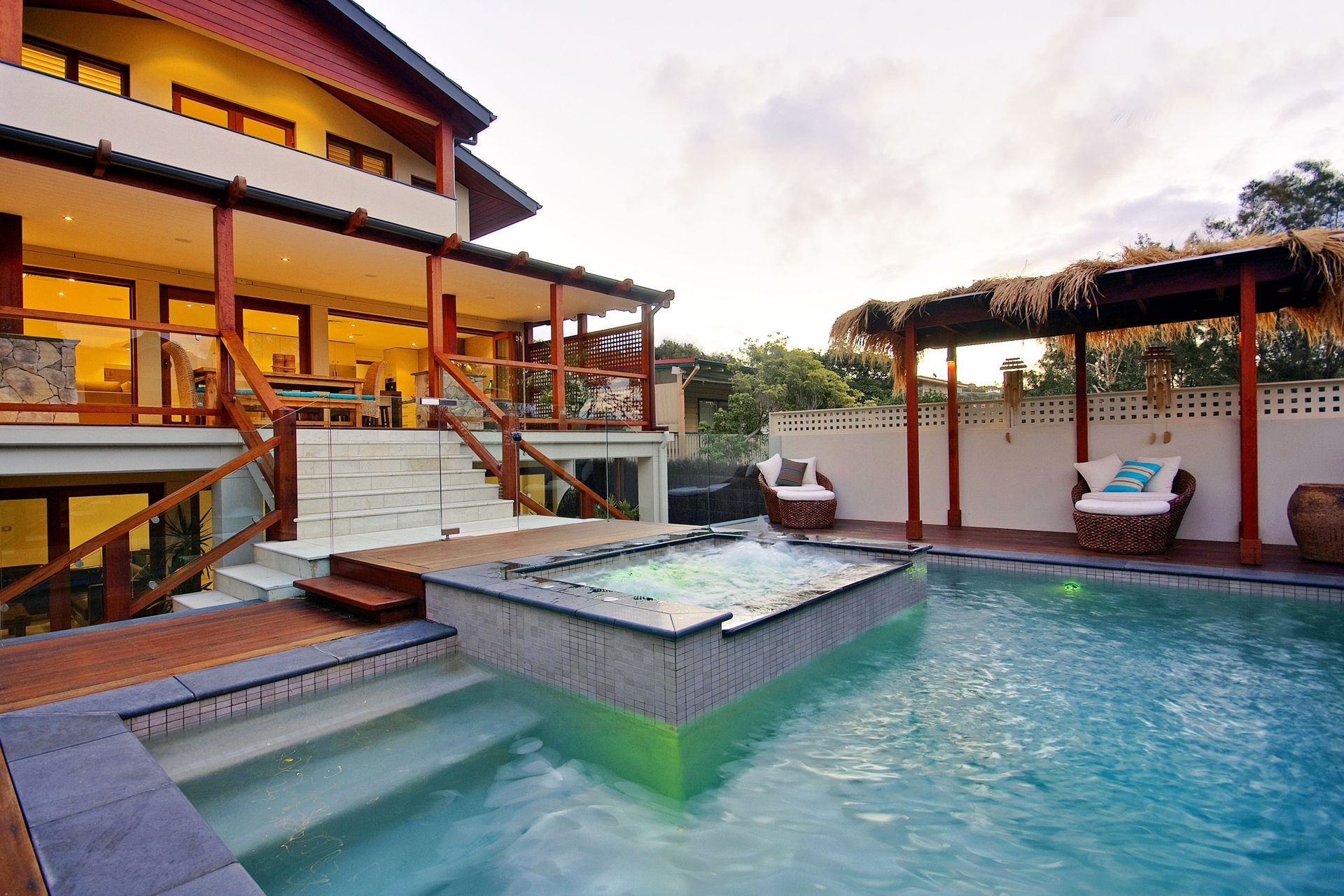
A swim spa can become the centerpiece of a broader outdoor living area. Decking, patios, landscaping, privacy screens, pergolas, and seating can create a comfortable environment around the unit. The goal is to integrate the spa with the property rather than making it appear disconnected from the rest of the backyard.
Lighting can improve both atmosphere and functionality. Path lights may help users move safely through the area after dark, while accent lighting can highlight landscaping or architectural elements. Privacy can be increased with fencing, screens, shrubs, or strategically positioned structures, depending on the layout of the property.
Homeowners who enjoy entertaining can also create nearby areas for seating, dining, or conversation. A thoughtfully arranged backyard allows people who are not using the spa to remain part of the gathering. Because about 55% of pool owners use their pools every day during the summer months, creating a comfortable surrounding environment can make an aquatic feature an important part of everyday outdoor living.
With thoughtful placement and complementary landscaping, a swim spa can become a natural extension of an outdoor living area. Whether it is primarily used for exercise, hydrotherapy, family recreation, or quiet relaxation, a properly selected system can provide homeowners with a versatile backyard feature designed for regular enjoyment throughout much of the year. Contact our team at Doug's Pool and Spa today and learn more about our pool services.