November 24, 2026
Owning a swimming pool provides opportunities for relaxation, recreation, and entertainment, but maintaining it throughout the year requires careful attention. Seasonal transitions are particularly important because preparing a pool for winter and reopening it in warmer weather involve several steps that affect its condition, cleanliness, and equipment performance. Professional pool services help homeowners manage these responsibilities without the stress of handling every detail themselves.
According to RubyHome, approximately 10.7 million swimming pools are located throughout the United States. With so many homeowners invested in backyard swimming areas, a wider understanding of proper seasonal maintenance is essential to help protect these valuable features for communities. As colder weather approaches, pool closing should become the primary concern, although planning ahead for the next opening can make the transition into spring much easier.
Protecting Your Pool During the Colder Months
Why Professional Winterization Matters
Closing a swimming pool involves much more than covering the water and waiting for warmer weather. Freezing temperatures can create significant problems for plumbing lines, pumps, filters, and other equipment if they are not properly prepared. Water left inside these components can freeze, expand, and cause cracks or other damage that may require expensive repairs. Professional pool services help prevent these problems by addressing the specific winterization requirements of each swimming pool.
Proper closing also protects the pool's interior surfaces and maintains water quality throughout the offseason. Unbalanced water chemistry can contribute to staining, scale formation, and algae development, even when the pool is not being used. Cleaning the swimming area, adjusting chemical levels, and adding appropriate winterizing treatments help minimize these concerns. Taking these precautions before temperatures drop can prevent avoidable maintenance problems when the swimming season returns.
What Happens During a Professional Pool Closing?
A comprehensive pool closing begins with preparing the water and removing accumulated debris. Technicians typically clean the pool, vacuum its surfaces, and remove leaves or other materials that could contribute to staining or contamination during winter. They also test and balance the water chemistry to establish appropriate conditions for the extended period when the pool will remain covered. These preparations help maintain the swimming area's condition while limiting the amount of cleaning required in spring.
The next stage involves protecting the pool's circulation and filtration systems. Depending on the pool's configuration, technicians may lower the water level to an appropriate point, clean the filters, drain equipment, and blow out plumbing lines to remove remaining water. They then plug the necessary lines and apply winterizing chemicals before securing the pool with a suitable cover. Experienced technicians understand how to complete these steps correctly, reducing the likelihood of freeze-related damage and other complications.
Timing Your Pool Closing Correctly
Choosing the right closing date is another important part of seasonal preparation. Closing too early can leave homeowners with unnecessary downtime during mild weather, while waiting too long increases the possibility of freezing temperatures affecting unprotected equipment. Water temperature is often a more useful indicator than the calendar alone. Many pool professionals recommend beginning the closing process when water temperatures consistently remain below 65°F, since cooler conditions also discourage algae growth.
Homeowners should schedule pool services before the first significant freeze rather than waiting until cold weather arrives. Booking early provides time for technicians to inspect the pool, identify potential problems, and complete the necessary winterization steps without rushing. It also helps ensure that equipment, plumbing, and pool surfaces receive appropriate attention. A properly timed closing gives homeowners a more dependable way to protect their investment throughout the offseason.
Making the Next Pool Opening Easier
Preparing for a Smooth Seasonal Transition
Although winterization deserves the most attention during the colder months, homeowners should also consider what will be required when swimming season returns. A thorough closing makes spring preparation considerably easier by reducing debris accumulation, protecting equipment, and maintaining better water conditions. When pool services include a complete winterization process, homeowners can avoid many of the complications associated with pools that have been improperly prepared for extended periods of inactivity.
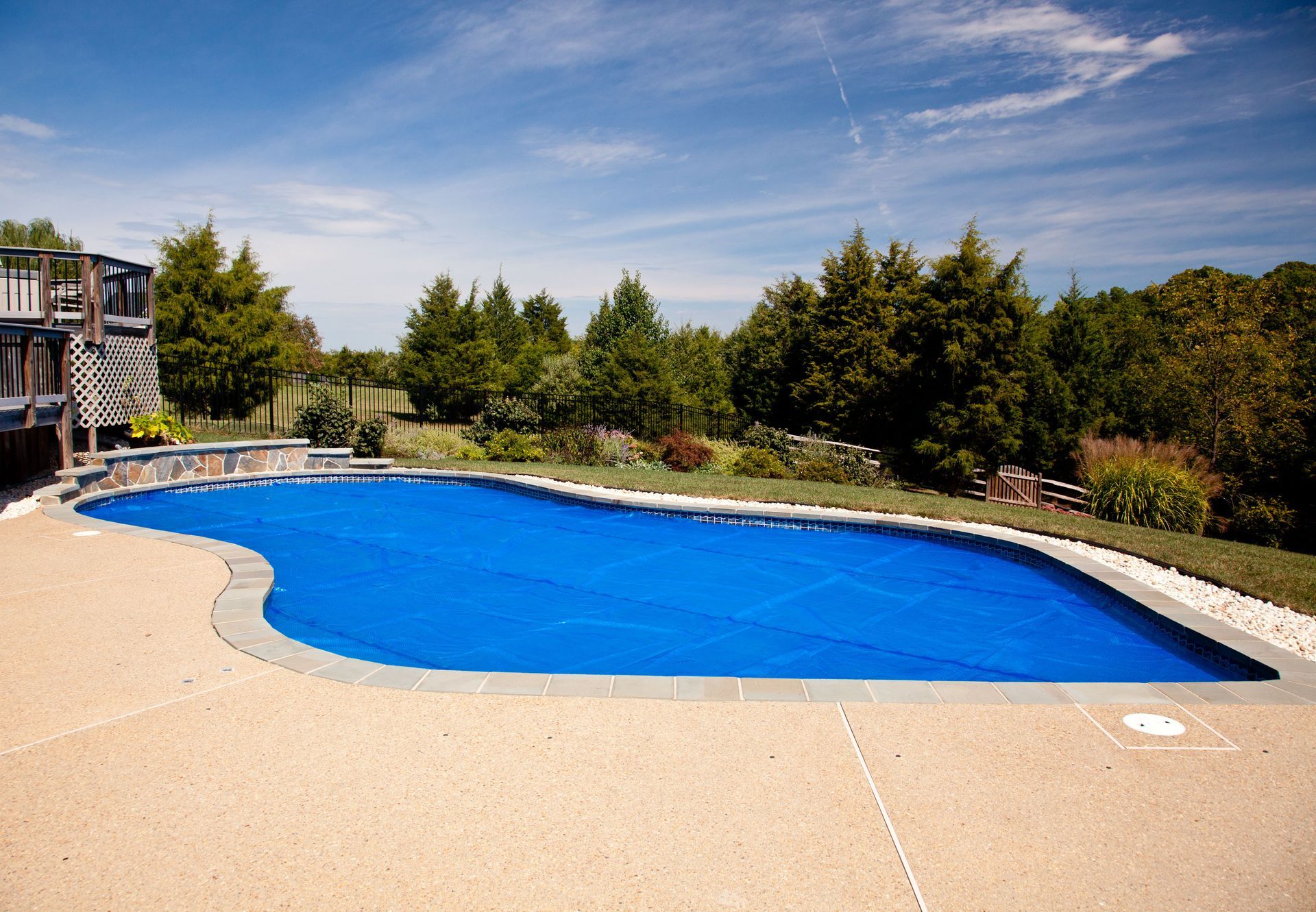
The condition of the pool cover also plays an important role in protecting the swimming area. A properly installed cover helps keep leaves, dirt, branches, and other debris out of the water while limiting exposure to outside elements. During the offseason, homeowners should periodically check that the cover remains secure and has not developed visible damage. Addressing problems before they worsen helps preserve the protection established during the initial closing process.
Planning ahead also means considering the equipment and supplies that may be needed for the next swimming season. Pumps, filters, heaters, and other components should receive appropriate attention before they are placed back into regular operation. Keeping track of any equipment concerns identified during closing gives homeowners a useful starting point when arranging spring maintenance. This preparation can help prevent unexpected delays and make the reopening process more manageable.
What to Expect From Professional Opening Services
When temperatures begin rising consistently, reopening a swimming pool requires several steps to restore its cleanliness and functionality. Professional technicians typically start by removing the winter cover, cleaning it, and preparing it for storage. They then inspect the pool and its surrounding components before reconnecting and starting the necessary equipment. Having experienced professionals handle these responsibilities helps identify problems that may have developed during the offseason before they interfere with normal operation.
Water chemistry must also be evaluated before anyone uses the pool. Even with proper winterization, water conditions can change while the swimming area remains closed. Technicians test important chemical levels, make necessary adjustments, and clean or vacuum the pool to improve water clarity. Professional pool services address these tasks together, helping homeowners avoid the guesswork involved in preparing a swimming area for safe and enjoyable use.
An opening inspection can also reveal equipment issues that were not apparent during the previous closing. Pumps may require attention, filters may need cleaning or replacement, and other components might show signs of wear. Identifying these concerns early allows homeowners to arrange repairs before regular swimming begins. Rather than discovering a malfunction when the pool is needed, homeowners can address maintenance requirements as part of their seasonal preparation.
Why Year-Round Maintenance Makes a Difference
Seasonal opening and closing are essential, but they should not be treated as isolated responsibilities. Regular cleaning, water testing, and equipment inspections throughout the swimming season help maintain the pool's condition and make future transitions easier. Homeowners who maintain consistent care between major seasonal appointments are less likely to encounter substantial debris buildup, persistent water chemistry problems, or neglected equipment concerns.
Establishing an ongoing relationship with qualified pool services also allows technicians to become familiar with a pool's specific equipment, surfaces, and maintenance requirements. This knowledge can make seasonal inspections more efficient because professionals have a better understanding of the system's condition and any previously identified concerns. Consistent service also creates opportunities to address smaller problems before they develop into more expensive repairs.
Experience and proper training are particularly important when selecting a maintenance provider. Factory-trained and certified technicians can apply established procedures when winterizing equipment, balancing water chemistry, and inspecting pool components. Homeowners may also benefit from working with a company that offers workmanship guarantees and manufacturer-backed warranties where applicable. These qualifications provide additional assurance that seasonal maintenance is being handled with appropriate care and attention.
Preparing a swimming pool for winter and reopening it in spring requires careful planning and attention to detail. Professional winterization helps prevent freeze damage, preserve water quality, and reduce the work necessary when warmer weather returns. Meanwhile, experienced pool services can inspect equipment, balance chemicals, and restore cleanliness during the opening process. Scheduling professional maintenance before seasonal conditions change is an effective way to protect a pool investment and make year-round ownership easier.
Contact Doug's Pool and Spa to schedule professional pool closing or opening services and keep your swimming pool in excellent condition year-round.